Engineering-led CNC manufacturing coordination for robotics, UAV and hardware teams.
From DFM review to prototype and low-volume production, I match each job with suitable manufacturing capacity based on the part's process, material, tolerance and finish requirements.
You'll get a manufacturability review, key production risks and a clear next step.

This is not a factory. I connect design teams with manufacturing suppliers in China.
I work directly with clients to review manufacturability, identify production risks, and recommend practical manufacturing approaches before production begins.
Why not just contact a CNC factory directly?
Most machine shops focus on making parts after a quote is approved. My role starts earlier, while the design can still change.
If you found this through LinkedIn, a forum, or a referral — this is where you verify it's real. It is.
File, drawing, or a description of what you're making — by email or LinkedIn. No form, no account.
I go through the geometry, tolerances, and process fit. Real engineering review, not an automated check.
You receive written DFM feedback: risks, recommended approach, and cost range where applicable. No commitment needed.
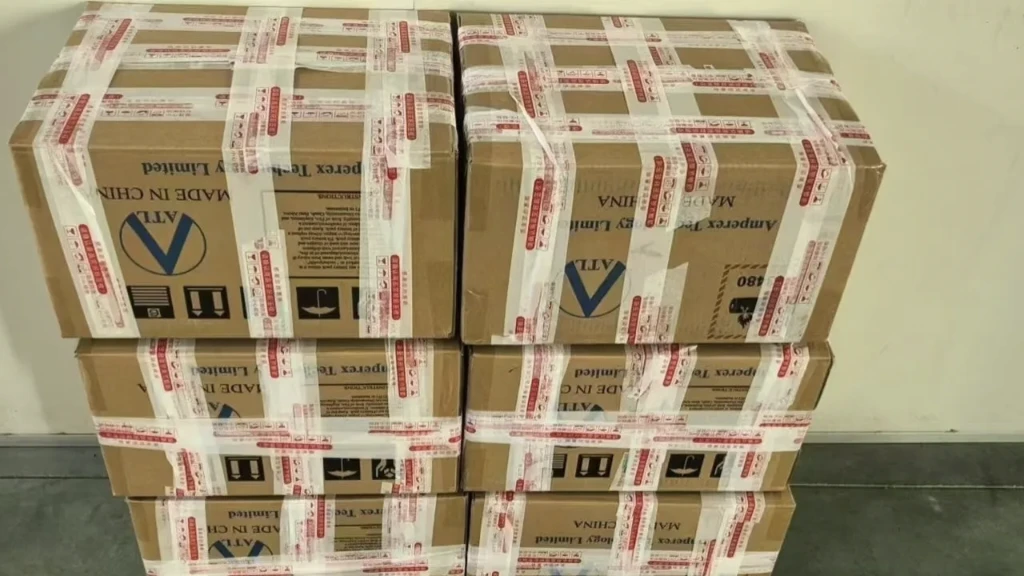
If you want to proceed, I route production to the right supplier and inspect parts before they ship.
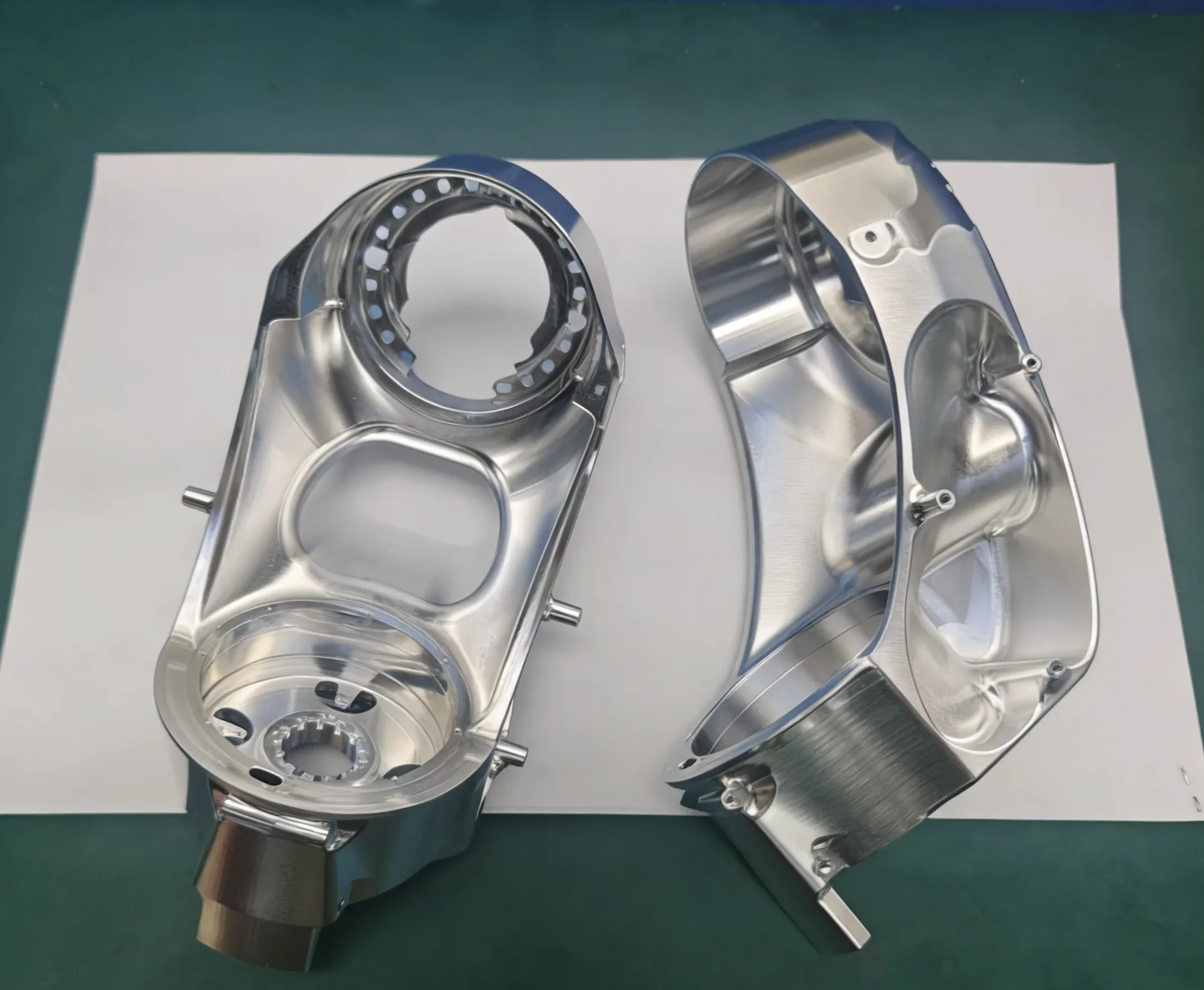
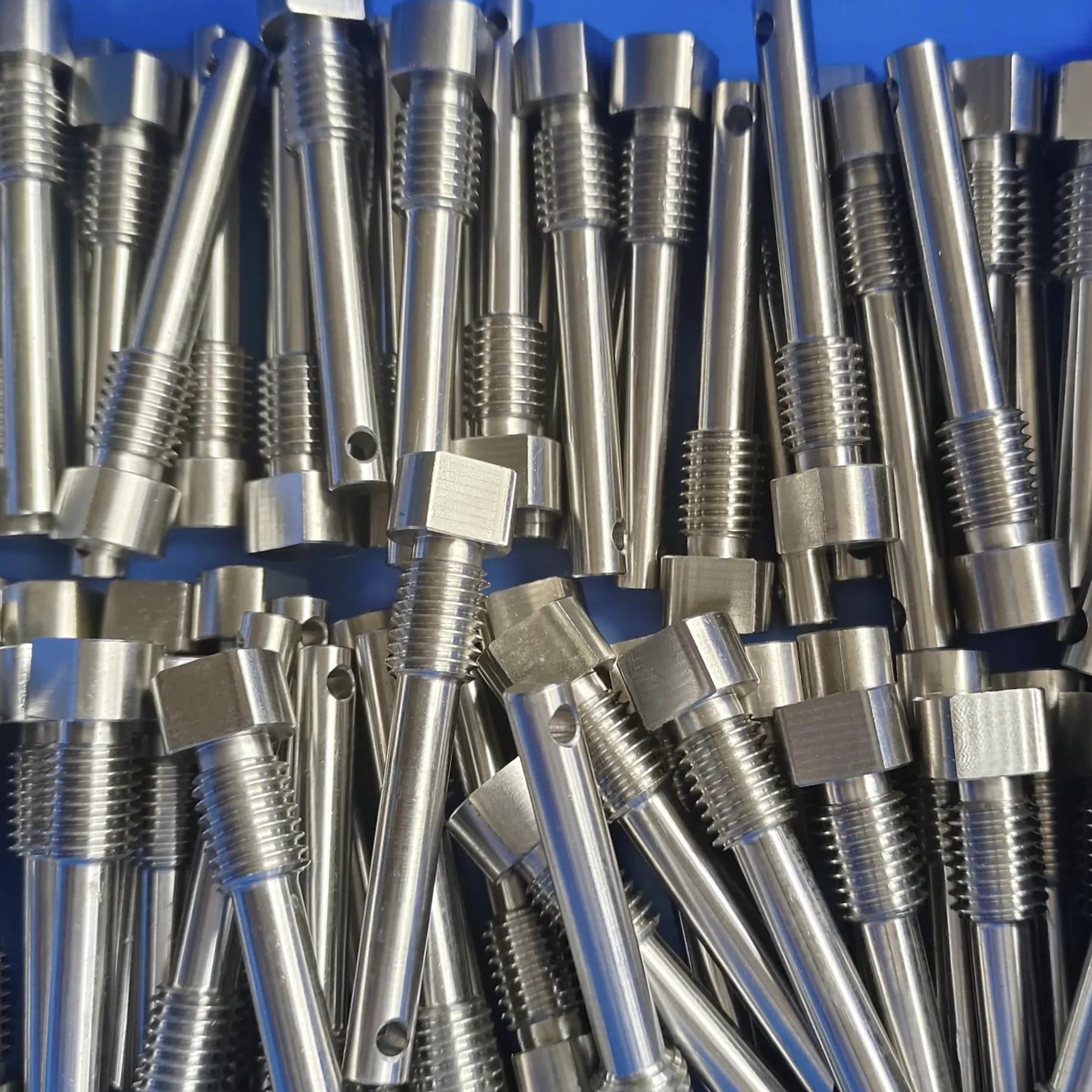
Identified an O-ring groove tolerance that would over-compress the seal at assembly. Groove depth, sealing-face finish, and thread-interface tolerances — held to roughly ±0.02–0.03 mm — were reviewed across several rounds before the first prototype was cut.
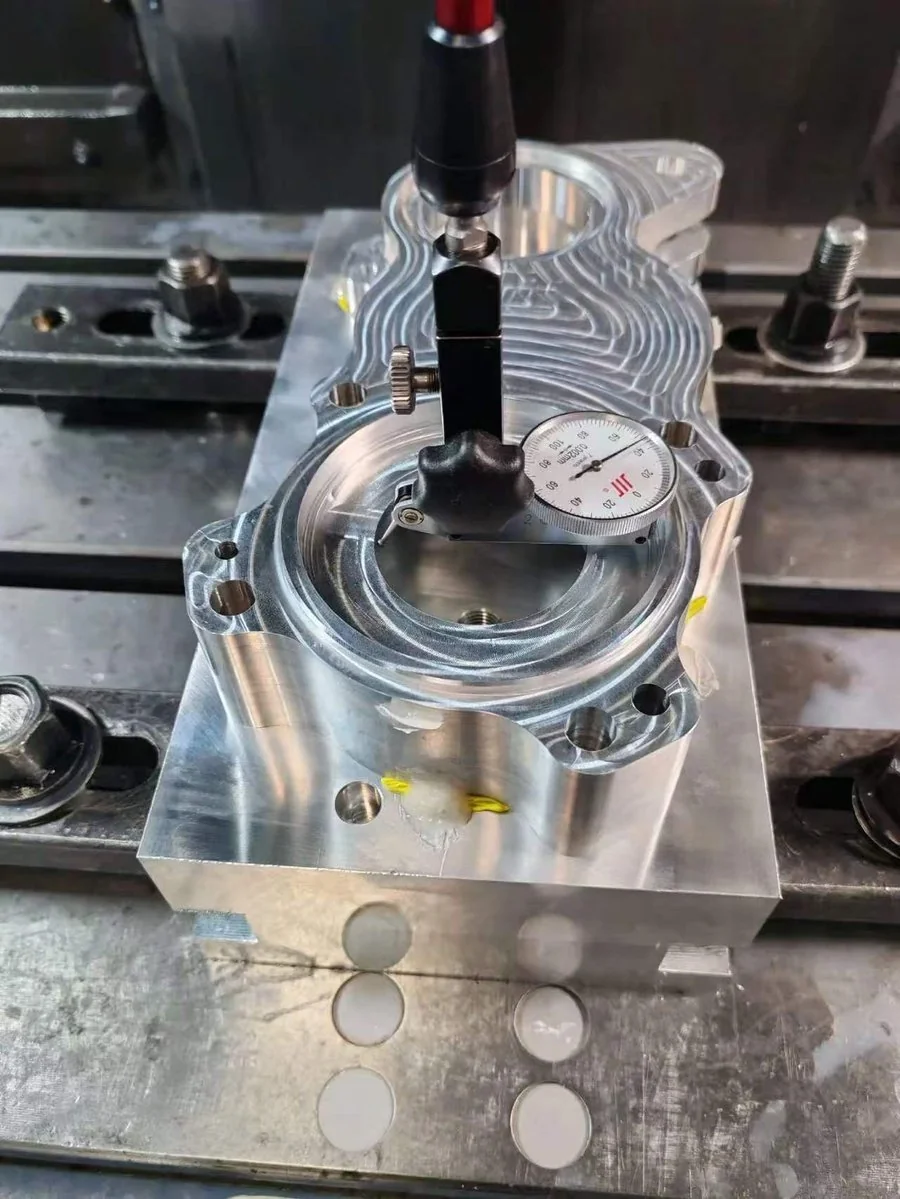
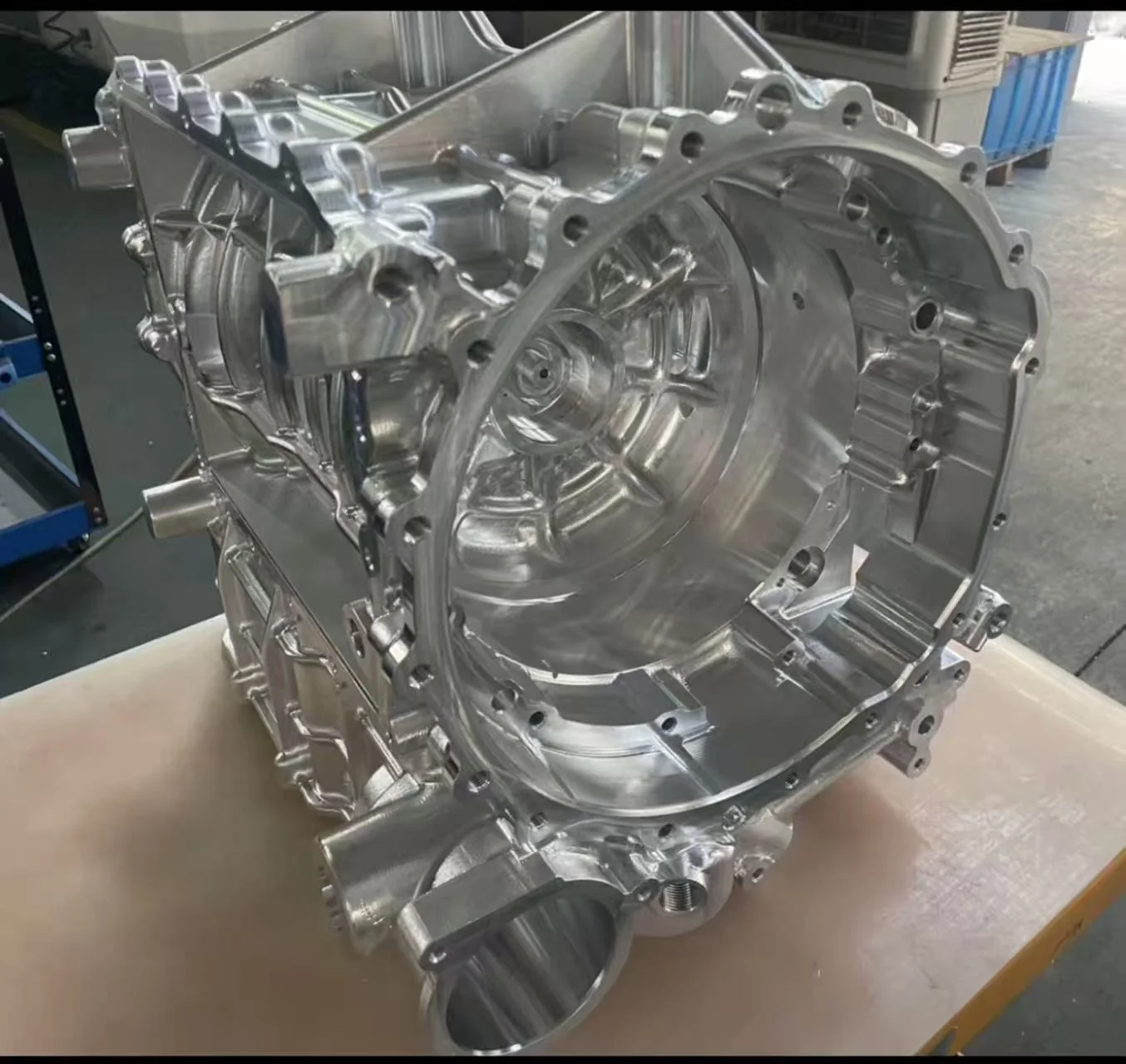
Reviewed a robotics housing's mechanical geometry in 6061 aluminum and worked out a fixture strategy to control thin-wall deformation, along with machining sequence and tolerance allocation — including a mounting-hole position tolerance held to ±0.01 mm. Focus: reducing machining difficulty without loosening the tolerances the part's function depends on.
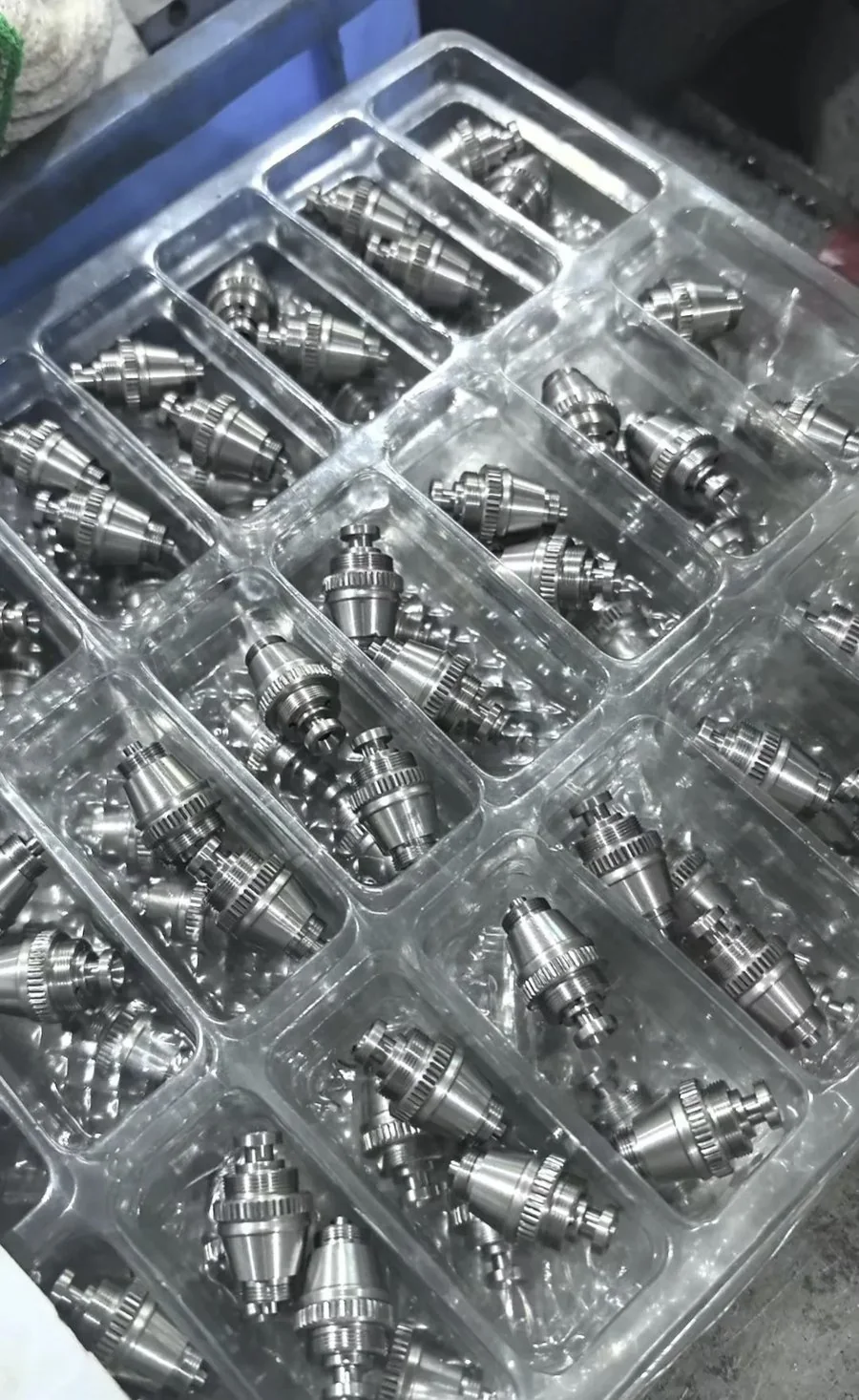
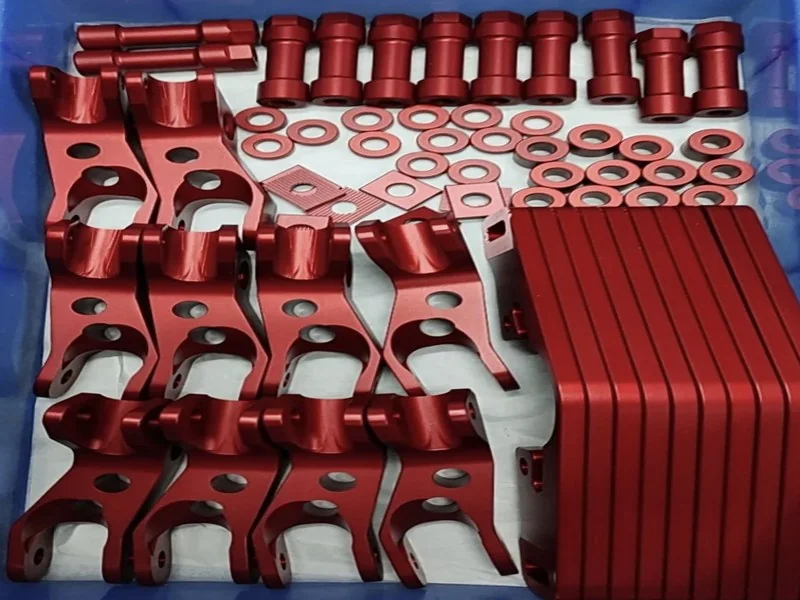
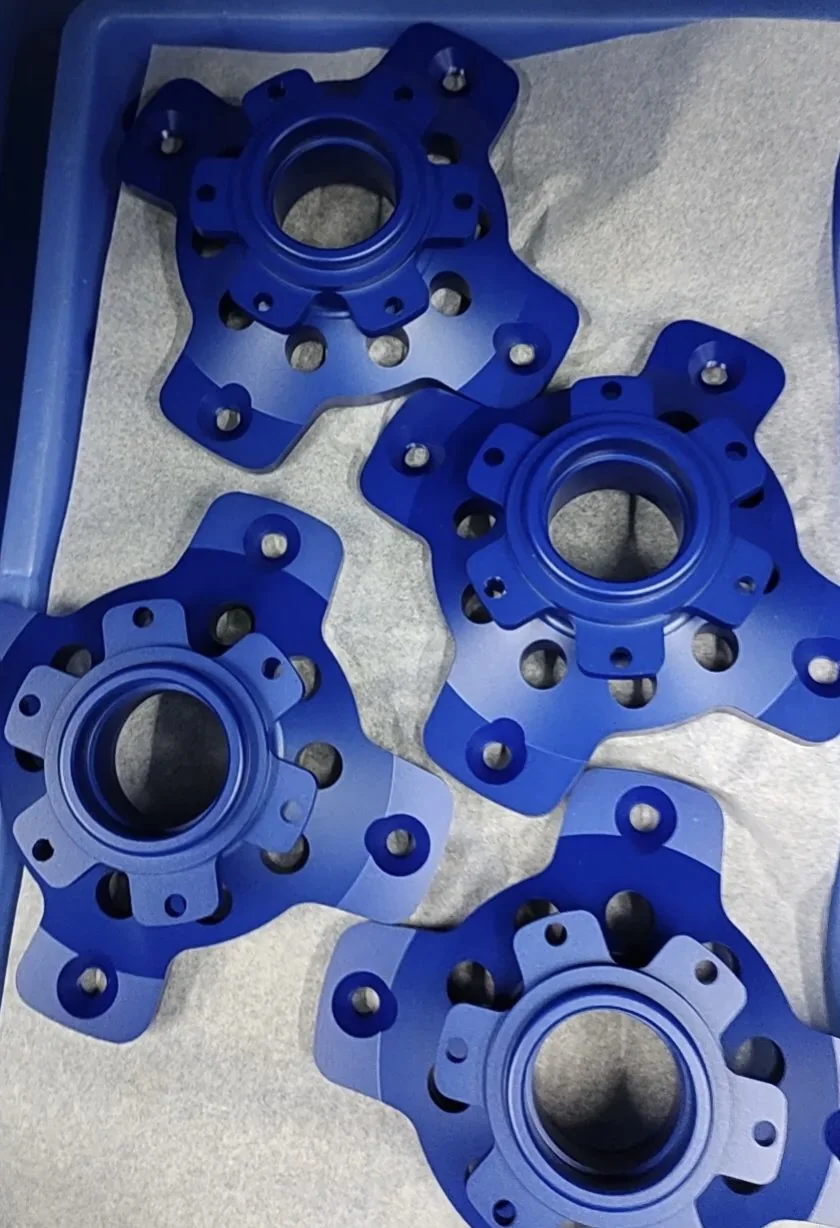
Coordinated CNC machining of 7075 aluminum components, red anodizing, and CMM inspection for a UAV hardware program moving from prototype into a 100-unit low-volume production run, with parts tracked through to shipment.
Practical guidance on whether a design should be manufactured as-is or adjusted before production
Machining and tolerance risks surfaced before production begins, not after
Process, fixturing logic, and surface finish path specific to your part's geometry
Rough cost indication where enough information is available
| Prototype lead time | 3–7 business days |
| Low-volume lead time | 10–15 business days |
| Standard tolerance | ±0.05 mm |
| Tight tolerance (select features) | ±0.01 mm |
| MOQ | 1 piece |
| NDA | Available on request |
See the FAQ below for full conditions.
Typical prototype lead time is 3–7 business days after the drawing, material, process, and inspection requirements are confirmed. Low-volume production is typically 10–15 business days, depending on quantity, complexity, finishing, and inspection scope.
Standard CNC features can often be produced around ±0.05 mm, depending on geometry and material. Tolerances down to ±0.01 mm may be achievable on selected features after process review, with appropriate equipment and inspection. These values are not blanket tolerances for every dimension.
MOQ is typically 1 piece. I support engineering prototypes, DFM validation builds, and small-batch production without strict volume requirements.
Yes. I can work under a standard NDA or review a customer's NDA before handling confidential engineering information.
No. Production and shipping times are quoted separately. The shipping method, destination and import responsibilities are confirmed before the order is approved.
Send your CAD file or drawing. I'll review manufacturability and provide feedback.
Typical response time: 24–48 hours depending on project complexity.